
Historical Attractions of Ethiopia
Discover Ethiopia’s Remarkable Historical Heritage
Ethiopia is one of Africa’s oldest civilizations and a land of extraordinary historical treasures. With a history stretching back thousands of years, the country offers visitors a unique opportunity to explore ancient kingdoms, rock-hewn churches, royal castles, archaeological sites, and centuries-old religious traditions. From UNESCO World Heritage Sites to remote mountain monasteries, Ethiopia’s historical attractions tell the story of powerful empires, remarkable architectural achievements, and a rich cultural heritage that continues to thrive today. Whether you are interested in ancient history, archaeology, architecture, or religious heritage, Ethiopia offers some of the most fascinating historical destinations in the world.
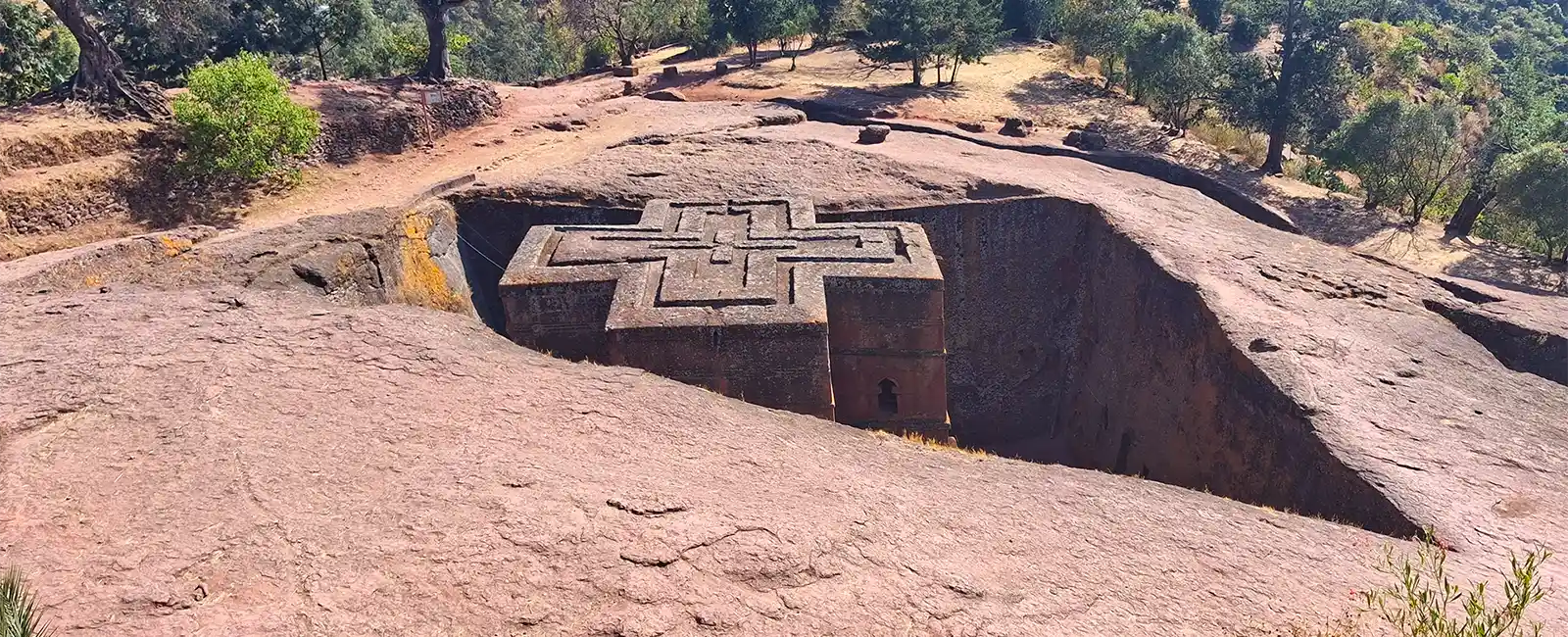
Lalibela
Often referred to as the “New Jerusalem,” Lalibela is Ethiopia’s most famous historical destination. The town is renowned for its eleven medieval rock-hewn churches, carved directly into solid volcanic rock during the 12th and 13th centuries. These remarkable churches remain active places of worship and attract pilgrims and visitors from around the world. The architectural ingenuity and spiritual significance of Lalibela have earned it UNESCO World Heritage status and a place among the world’s greatest religious monuments.
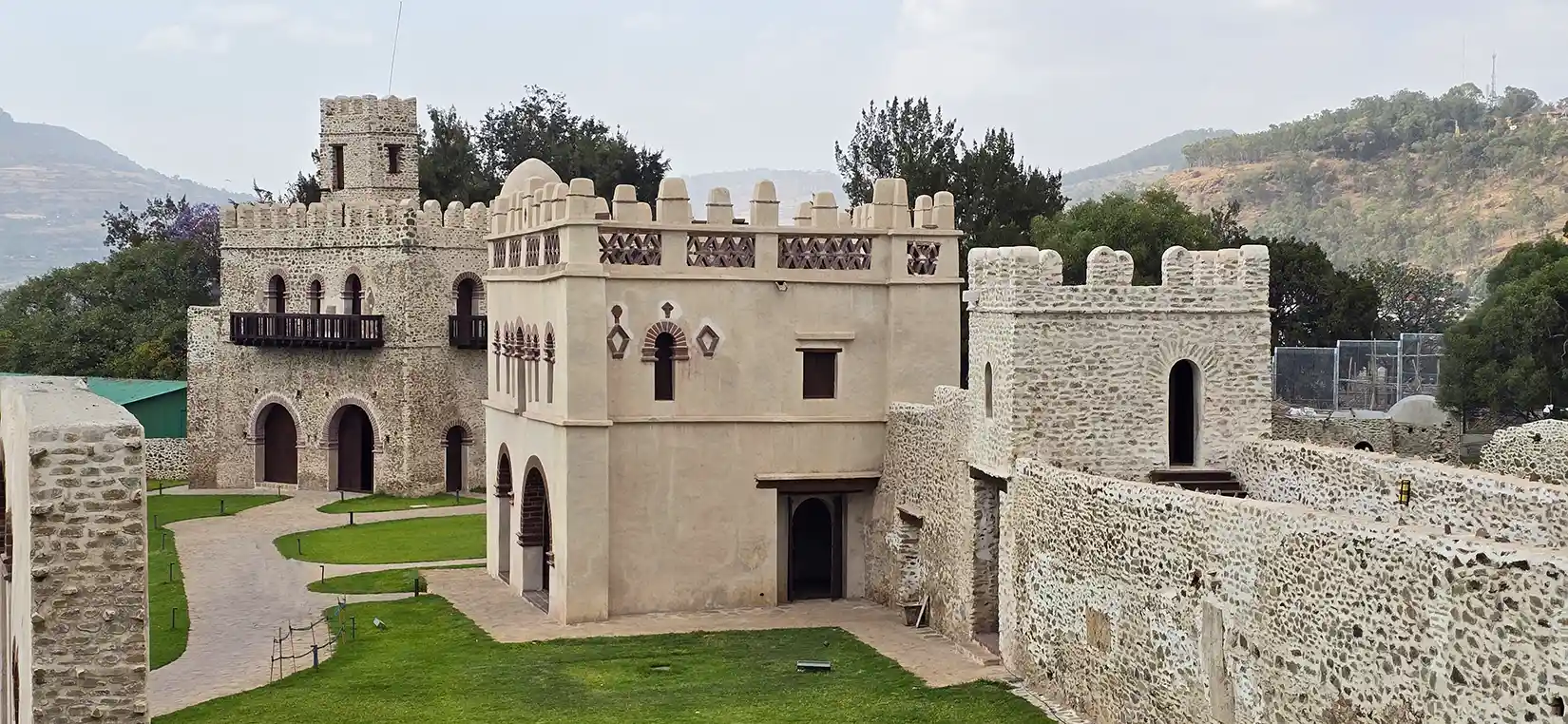
Gondar
Known as the “Camelot of Africa,” Gondar served as the capital of Ethiopia during the 17th and 18th centuries. The city’s most famous attraction is the Royal Enclosure (Fasil Ghebbi), a complex of castles and palaces built by Ethiopian emperors. Visitors can also explore the beautifully painted Debre Berhan Selassie Church and the historic bath of Emperor Fasilides. Gondar offers a fascinating glimpse into Ethiopia’s imperial past and unique architectural heritage.
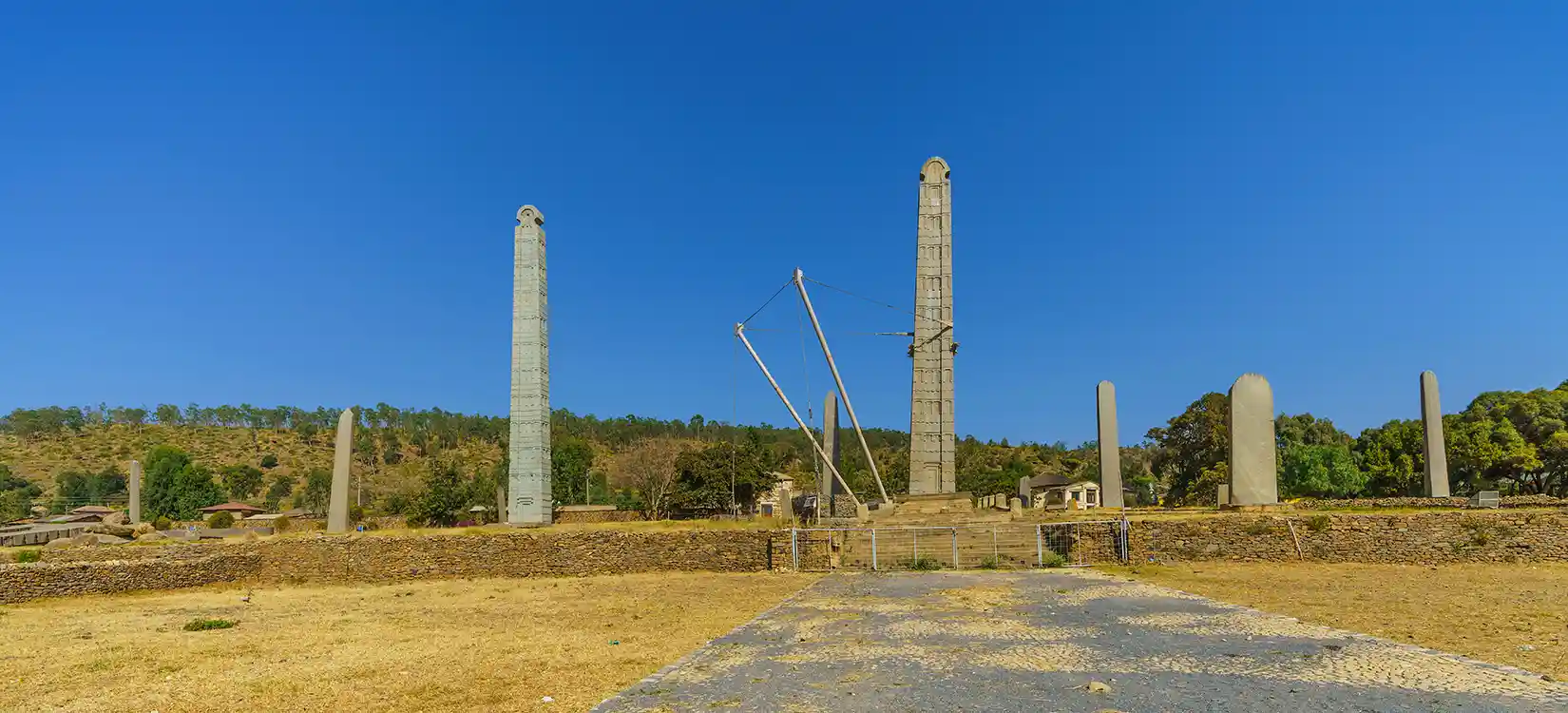
Aksum
Aksum was once the center of one of the greatest civilizations of the ancient world. The city is famous for its towering granite stelae, royal tombs, archaeological sites, and its importance in Ethiopian Christianity. According to tradition, Aksum is home to the Ark of the Covenant, housed within the Church of St. Mary of Zion. The city’s rich history and archaeological significance make it one of Ethiopia’s most important historical destinations.
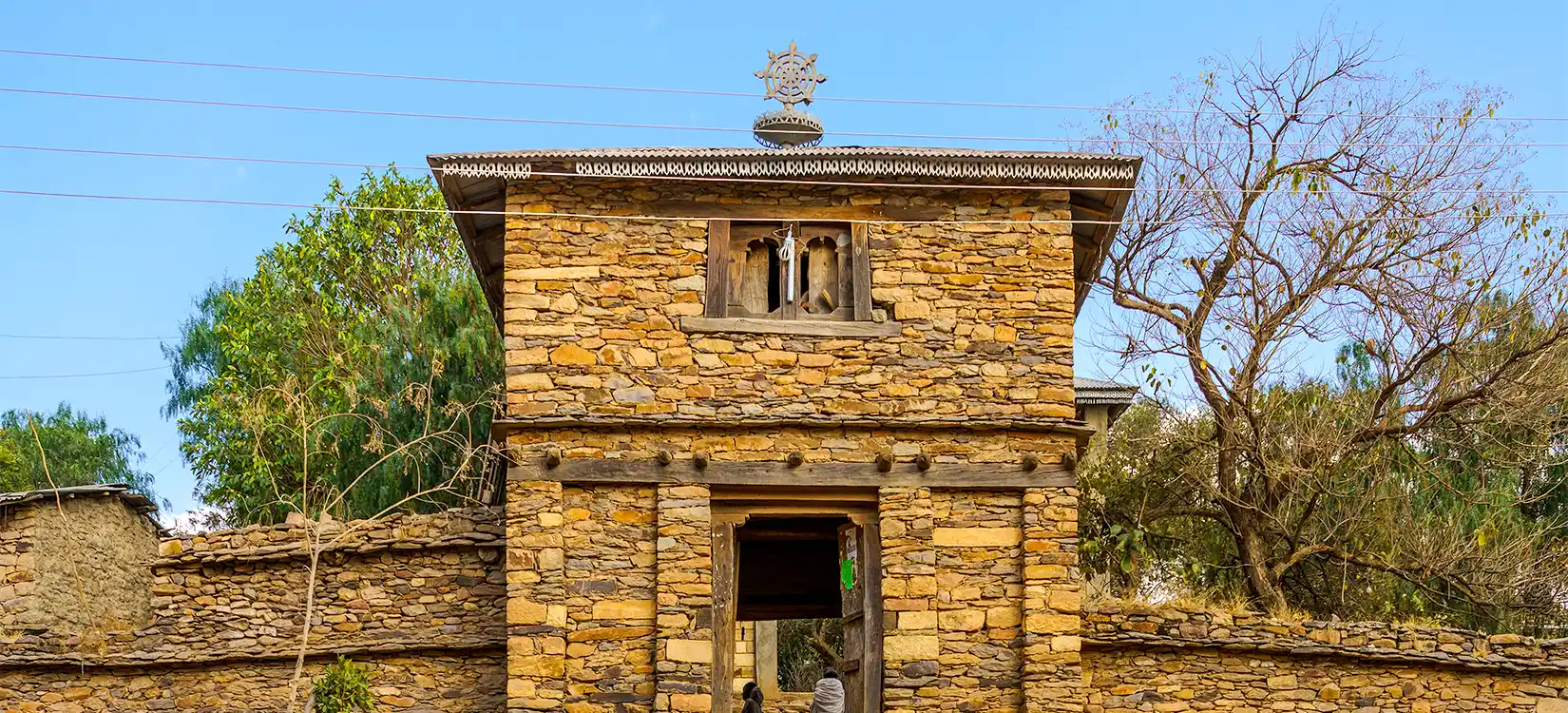
Yeha
Yeha is Ethiopia’s oldest known archaeological site and dates back nearly 3,000 years. The site is home to the impressive Great Temple of Yeha, believed to have been built around the 7th century BC. Constructed from massive stone blocks without mortar, the temple demonstrates remarkable engineering skills and provides evidence of early South Arabian influence in the region. Yeha offers valuable insight into Ethiopia’s pre-Aksumite civilization.

Bahir Dar & Lake Tana
Bahir Dar serves as the gateway to Lake Tana, the source of the Blue Nile and home to numerous historic island monasteries. Many of these monasteries date back several centuries and contain priceless religious manuscripts, crowns, paintings, and artifacts. Visitors can explore the monasteries by boat while enjoying the scenic beauty of Ethiopia’s largest lake and learning about the country’s long Christian tradition.

Tigray Rock-Hewn Churches
Hidden among the dramatic mountains and cliffs of northern Ethiopia, the rock-hewn churches of Tigray represent some of the country’s most remarkable religious and historical sites. Many were carved into cliffs between the 5th and 14th centuries and can only be reached by challenging hikes. These churches contain ancient frescoes, manuscripts, and architectural features that provide valuable insight into Ethiopia’s early Christian history.